


Dealers Are Paying for SEO. But What Is Actually Getting Built?
Most dealerships are not looking for magic from their SEO vendor.
They just want the work to feel real.
A clear plan. Better pages. More visibility. Some sign that the money going out every month is turning into something useful on the website.
That is where a lot of dealership SEO starts to get frustrating.
There may be a report. There may be a monthly call. There may be a few small updates happening somewhere in the background.
But when someone at the store asks, “What did we actually get?” the answer is not always clear.
That is the problem.
Not SEO itself.
Not organic traffic.
Not the value of showing up in search.
The problem is that too many dealerships are paying for SEO and getting very little they can actually point to.
The Work Has to Show Up Somewhere
SEO is not just a report. It is not just a ranking chart. It is not just a call where someone walks through traffic numbers.
At some point, the work has to show up on the website.
That usually means:
- New pages
- Better local coverage
- Model and inventory content
- Service and parts content
- Shopper research topics
- Cleaner page structure
- A plan for what gets built next
If very little is being added, improved, or expanded, there are only so many new searches your dealership can realistically win.
That is the part that gets missed.
A dealer can pay for SEO every month and still end up with a website that barely looks any different six months later.
Generic Content Does Not Give You Much of an Edge
A lot of dealership SEO content feels like it was written to check a box.
A city page that says almost nothing.
A model page with the same recycled structure.
A service page that could belong to any repair shop in the country.
Technically, it is content.
But it is not doing much to make the dealership feel more relevant, more helpful, or more competitive.
Better dealership SEO is more specific. It is built around the way people actually search: the towns they live in, the vehicles they are comparing, the service questions they have, and the decisions they make before they ever submit a lead. And it needs to look like it belongs on the site.
SEO content does not have to be ugly. It does not have to be a wall of vendor text. It can be clean, useful, structured, and polished.
A report can show activity. The website shows whether anything meaningful is actually being built.
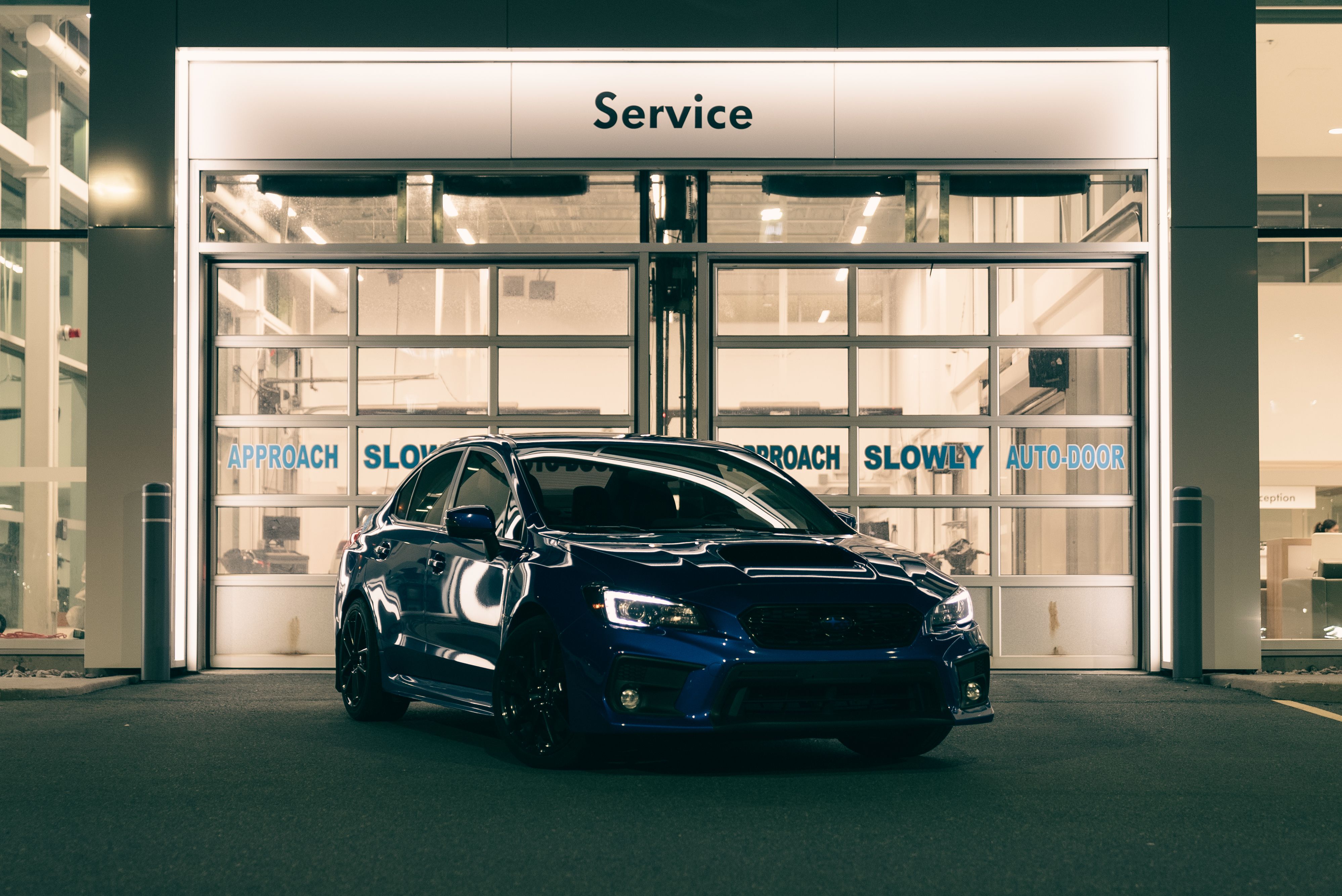
Service Is Usually Where the Gap Gets Bigger. Most dealership SEO leans heavily toward sales.
That makes sense. Inventory matters.
Model searches matter.
Local dealer searches matter.
But service is often where the missed opportunity is hiding. Customers search every day for:
- Oil changes
- Tires
- Brakes
- Batteries
- Recalls
- Warning light
- Maintenance schedules
- Diagnostic questions
Those are not casual searches. Those are people with a need right now.
If the dealership does not have helpful service content, that traffic goes somewhere else.
Independent shops. National chains. Competing dealers.
Someone is getting those clicks.
A Good SEO Program Should Be Easy to Understand
Dealers do not need a 40-page report to know whether work is happening.
They need a clear answer to a few basic questions:
• What did we build?
• Why did we build it?
• What searches are we going after?
• What market are we trying to grow in?
• What is next?
That does not mean every page ranks overnight. SEO takes time.
Conclusion
Dealerships should expect more from SEO.
Not more noise. Not more vague reporting. Not more generic pages that could have been written for any store in any market.
More useful pages.
Better-looking content.
Smarter strategy.
Work the dealership can actually see.
That is the difference between paying for SEO and actually building an organic footprint.
Dealer Torque was built around that idea.
Your SEO vendor should be doing more.