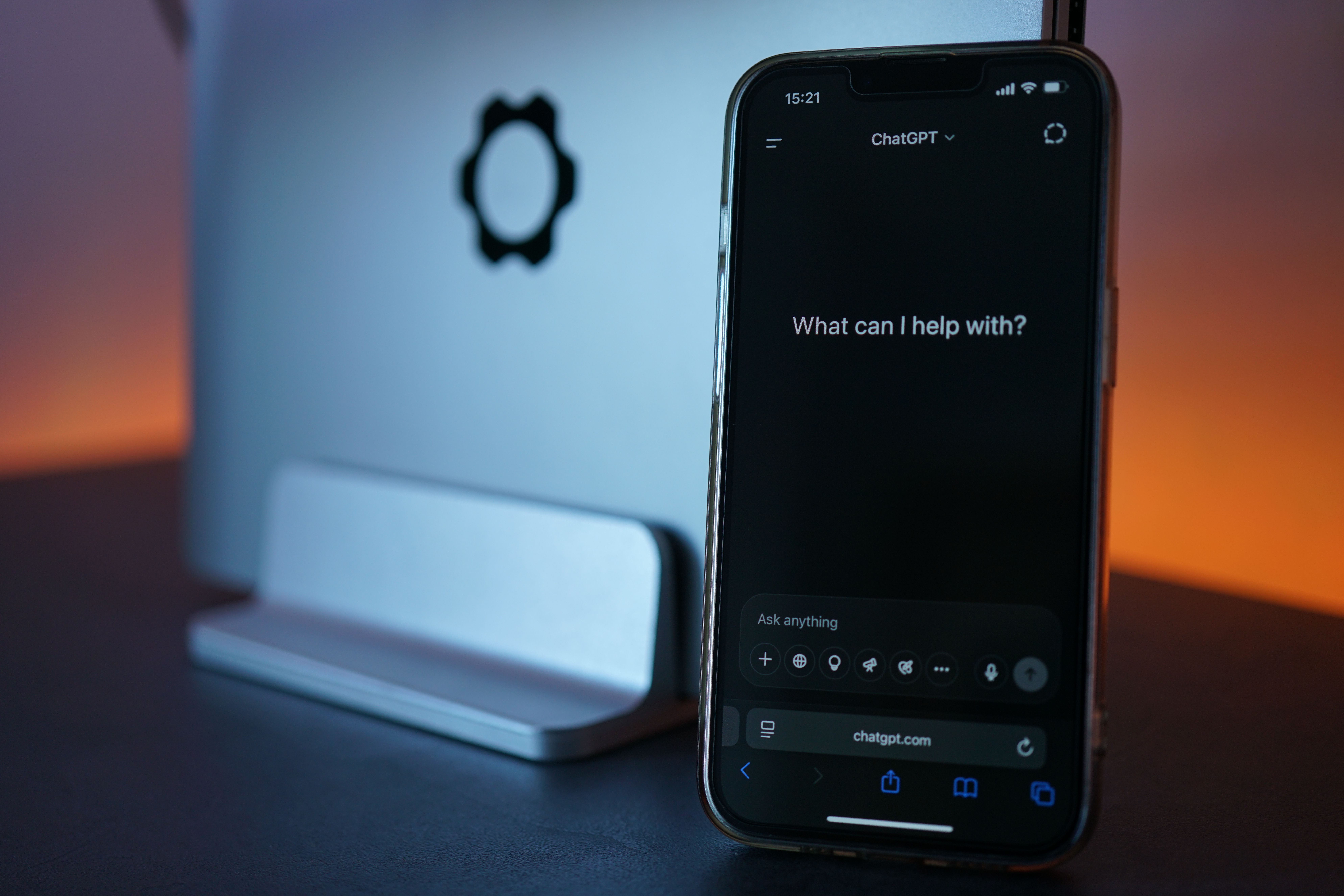



Shoppers Are Asking.
Your Website Should Be Answering.
Most dealership websites are built around inventory, offers, service scheduling, and contact forms.
All of that matters.
But shoppers usually have questions before they are ready for any of those things.
They want to compare models. Understand trims. Figure out service needs. Research nearby dealers. Learn whether leasing makes sense. Check what a warning light means. Decide if a vehicle fits their family, budget, commute, or lifestyle.
Those questions are happening every day.
The problem is that many dealership websites do not answer enough of them.
Search Starts Before the Lead
A lead form is not the beginning of the customer journey.
It is closer to the end.
Before someone submits a lead, schedules service, or calls the store, they usually search through a bunch of smaller questions.
That can include:
• Which SUV is best for families?
• Is this model good in winter?
• What is the difference between these trims?
• Should I lease or finance?
• How often does my vehicle need service?
• What does this dashboard light mean?
• Is there a dealer near me that handles this brand?
If your dealership website does not answer those questions, someone else’s website probably will.

Inventory Alone Does Not Answer Enough
Inventory pages are important, but they are not built to answer every question.
They show what is available.
They do not always explain what a shopper is trying to understand.
A vehicle details page can show price, mileage, photos, and features. But it may not answer why that model is a good fit, how it compares to another option, what ownership is like, or whether it makes sense for that customer’s needs.
That is where supporting content matters.
Model guides, comparison pages, local pages, service articles, and ownership content give shoppers more ways to learn before they are ready to act.
The dealership that answers more useful questions gives shoppers more reasons to stay, trust, and come back.
Service Customers Have Questions Too
This is not just a sales issue.
Service customers are constantly searching for answers.
They want to know what is wrong, what something means, how urgent it is, and where they should go for help.
Common service searches include:
• Why is my check engine light on?
• How often do I need an oil change?
• Do I need new tires?
• What does this maintenance code mean?
• Why are my brakes making noise?
• Is my vehicle under recall?
• Should I service my car at the dealership?
These are high-intent searches.
A customer asking these questions may not be ready to buy a car, but they may be ready to schedule service.
If your website does not answer them, that demand can go to independent shops, national chains, or competing dealers.
AI Search Makes Answers Even More Important
Search is becoming more question-based.
People are not only typing short keywords anymore. They are asking direct questions and expecting direct answers.
That matters for traditional Google search, and it matters for AI-powered discovery.
Dealership content needs to be clearer, more specific, and more helpful. Not because AI is magic, but because answer-based search rewards content that actually answers something.
Thin, generic content is a weak foundation. Useful answers are a stronger one.
What Dealership Websites Should Answer
A better dealership content strategy should cover the questions customers ask before they choose a store.
That can include:
• Local market questions
• Model and trim comparisons
• Feature explanations
• Finance and lease questions
• Service and maintenance topics
• Ownership support
• Trade-in questions
• Certified pre-owned research
• AI-ready answer content
The goal is not to turn the website into a library of random articles.
The goal is to build useful pages around the questions that lead people toward your dealership.
Conclusion
Most dealership websites do not need more noise.
They need more answers.
Better answers help shoppers understand their options, help service customers make decisions, and give search engines more useful content to work with. That is where stronger dealership SEO starts. Not with stuffing keywords onto a page. With answering the questions your customers are already asking.